

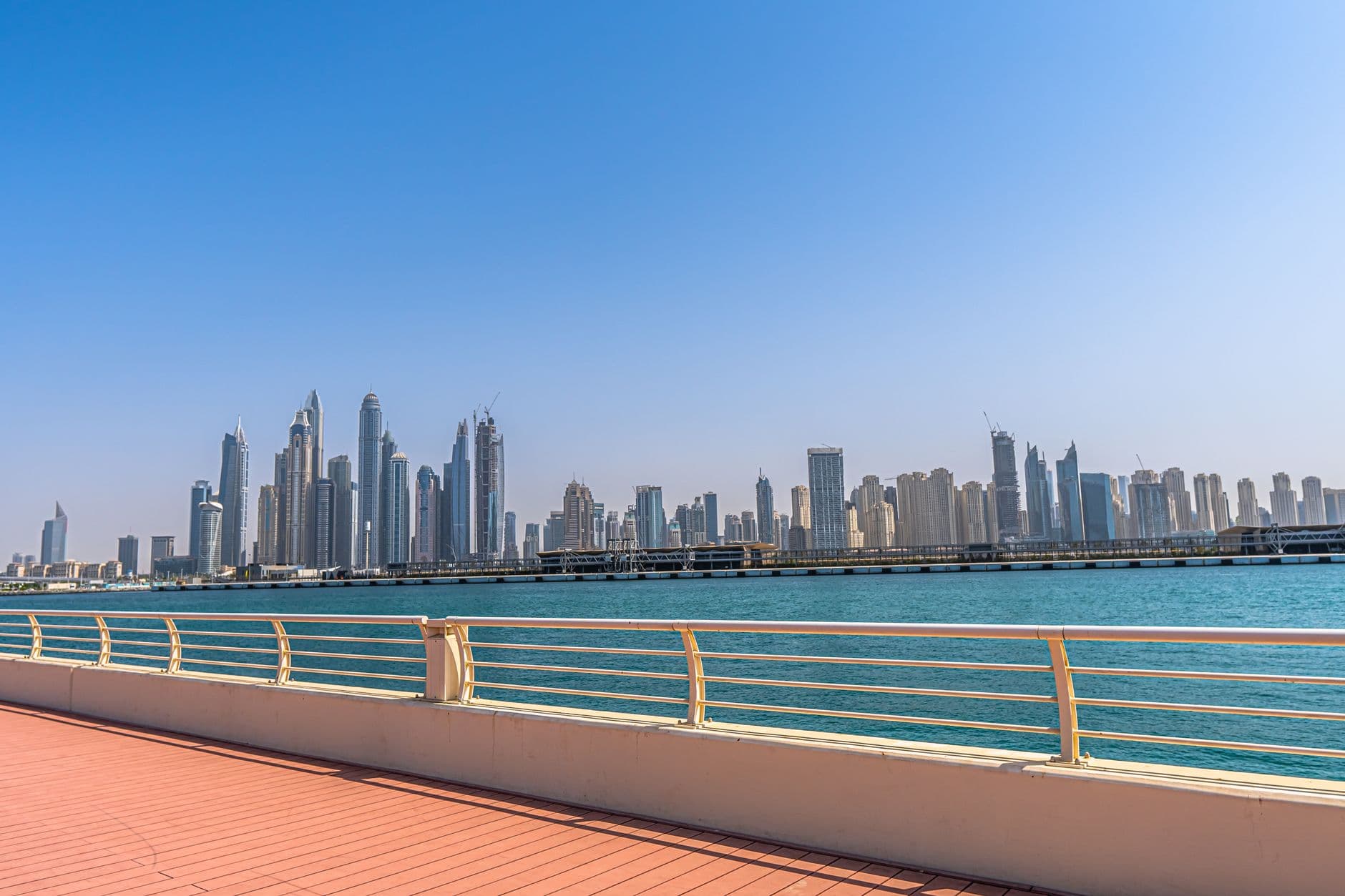
The Abu Dhabi-based company Eagle Hills signed a commercial terms agreement with the government of the Maldives on September 21, 2026, in Dubai for the 'Maldives Waterfront and Marina' project, an integrated island destination in the Ras Male area. The total development value is estimated at around $20 billion through various phases, making it one of the largest proposed foreign investments in the history of the Indian Ocean country.
However, details about the upfront capital and specific financing methods have not been disclosed.
The first thing to clarify is the figure itself. It refers to 'planned investment through various phases' over the project's lifespan, not the current capital Eagle Hills is depositing. Initial reports, including those from The National and Gulf News, mentioned an amount of $12 billion. How much money the company is directly committing and what the financial structure will look like is not yet public.
Legacy of Disputes Not to Be Overlooked
This lack of transparency gains significance considering the history of investment disputes in the Maldives. In 2012, a $511 million airport development contract with the Indian company GMR Group was canceled, and in 2016, a compensation of $270 million was awarded. Therefore, the dispute resolution mechanism is not a formality but a condition on which the long-term stability of such an undertaking depends.
 Naš Biro
City Development in the Lagoon
The project is planned on reclaimed land in the Fushi Dhiggaru lagoon, just a 17-minute speedboat ride from the capital, Male. The location is part of the country's largest land reclamation project, covering more than 1,100 hectares and 65,000 residential units in Ras Male, aiming to reduce pressure on the densely populated capital.
The planned destination is to include international hotels and resorts, premium residential properties, a world-class marina, retail, restaurants, entertainment, wellness, educational, and healthcare facilities.
Promises and Environmental Costs
 Naš Biro
The Maldivian government calls the agreement a 'decisive step' towards becoming a high-income country by 2040 and creating a regulated real estate sector with tourism. Preliminary estimates suggest more than $30 billion in gross foreign investment (including $18 billion net) over the project's lifespan, more than a million visitors annually, and over $2 billion in annual tourism revenue at full maturity.
More than 54,000 direct and indirect jobs are also announced.
On the other hand, the extensive land reclamation in Ras Male has raised environmental concerns for years. Critics and environmental experts warn that such projects can permanently damage coral reefs, seagrass beds, and biodiversity. Former President Mohamed Nasheed specifically pointed out significant damage to neighboring reefs caused by reclamation in the Fushidhiggaru lagoon.
Eagle Hills states that construction will occur on already reclaimed land, with no additional dredging by the company, and that independent marine monitoring will accompany the construction. Concerns have also been raised about recent changes to environmental impact assessment (EIA) regulations, with experts claiming that oversight of state projects has been weakened.
What Investors Gain from This
A unique aspect of the development is the long-term lease model, allowing ownership for up to 99 years with a new contract starting with each transfer. The aim is to provide lasting continuity for owners across generations, which could attract investors looking to transfer property to heirs within the Maldivian legal system.
However, the long-term success of this project will depend on the detailed terms that follow, the financial arrangements, and a reliable dispute resolution mechanism. Without these, neither $20 billion nor a new marina will be enough to convince the market that this is a stable venture.